
Tower Site Access Rights Case Study
Tower Site Access Rights Case Study: Keeping Field Access Open
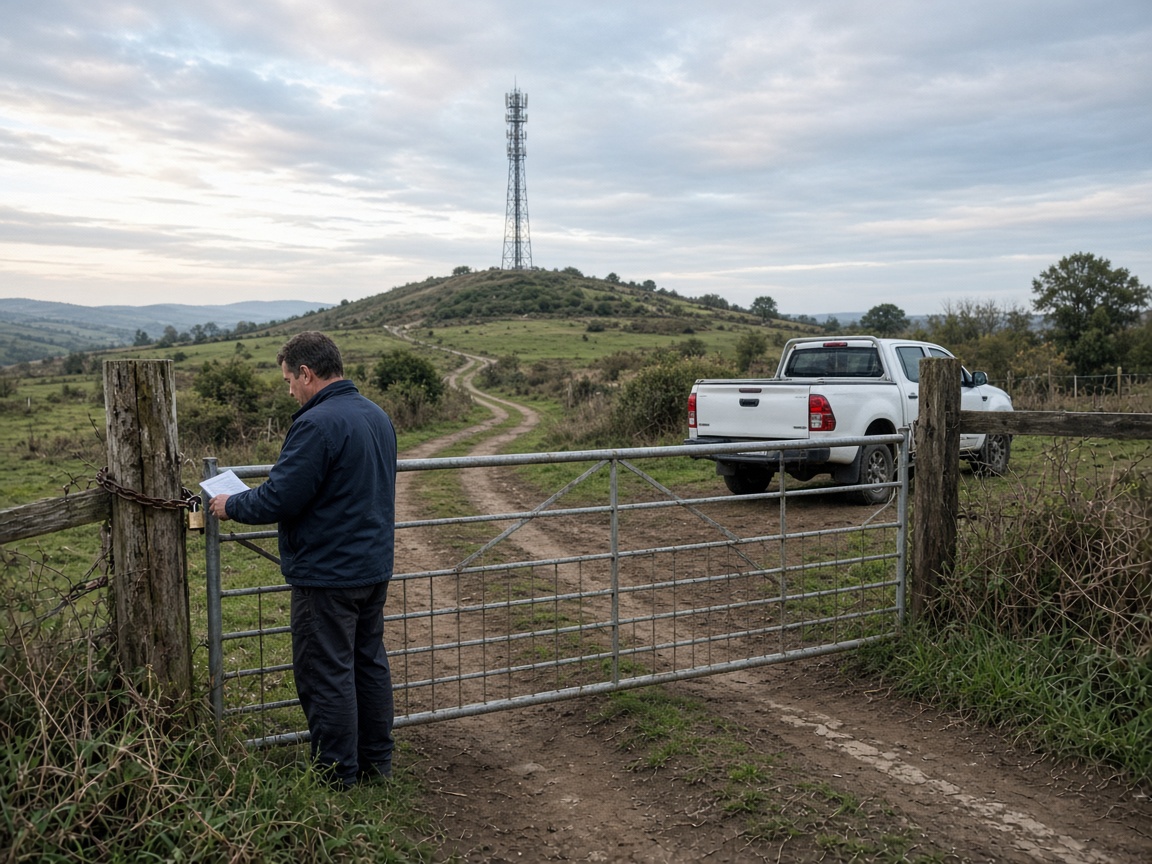
This tower site access rights case study follows maintenance teams who faced recurring delays at remote towers where entry depended on property rights, easements, shared driveways, or landowner arrangements. Changes in ownership, site conditions, and access routes made it harder to know the contractual basis for reaching each location. EMT Data Corp partnered with the client to organize access rights and constraints by tower so field operations could plan with fewer interruptions.
Key Challenges
- Access arrangements varied significantly between tower locations
- Some sites relied on easements or third-party property arrangements
- Landowner permissions and access conditions were documented inconsistently
- Changes to surrounding properties could affect established access routes
- Unclear access provisions could delay maintenance and field operations
Results
- Improved understanding of access arrangements across tower locations
- Made site-specific restrictions easier to identify before field activities
- Reduced time spent searching through individual agreements
- Improved coordination between property and network operations teams
- Enabled earlier attention to locations with potential access constraints
Solutions
In this tower site access rights case study, EMT Data Corp reviewed access-related lease provisions and organized them into a location-level reference for operational teams. Easements, shared driveways, and landowner conditions were tied to the tower they served, not left in a general file. Property and network operations could then see the same constraints before a crew was sent. Sites with missing or unclear rights were flagged so a gap was visible before it became a delay. Ownership changes and new landowner conditions were included because those often altered a route that had worked for years. The location reference stayed tied to the source agreement so a later question could be answered with evidence. Field teams could then plan a visit against the current right, not against the last successful trip.
Access Rights Review
Reviewed agreements for rights relating to entry, roads, easements, and maintenance access. The review captured how a team could reach the site, not only that a right existed.
Location Mapping
Mapped access provisions to the corresponding tower locations so two sites could be compared without opening separate files. Remote towers with third-party routes were included.
Restriction Capture
Recorded restrictions, permission requirements, and third-party dependencies, including notice or escort rules that delayed field work. Those conditions sat next to the right itself.
Documentation Gaps
Identified sites where access rights required clarification or supporting documentation. A missing easement or expired permission was listed instead of being discovered on the day of the visit.
Location Reference
Created a location-level reference for access-related provisions that property and operations could use together. The reference stayed tied to the source agreement.
Constraint Flagging
Flagged potential access constraints for operational follow-up so a blocked route could be handled before a maintenance window. That turned access from a document search into a working list.
Business Impact
- A tower can only be maintained when teams can reliably reach it.
- This tower site access rights case study shows how a location-level reference reduced access delays.
- By organizing easements and landowner conditions by site, the client strengthened operational readiness.
Need a tower site access rights case study for your field teams?
EMT Data Corp supports tower lease administration, access and easement abstraction, landowner condition tracking, and location-level operational readiness for telecom portfolios. Ask how the approach in this tower site access rights case study can be applied when crews cannot reach a site because the route or permission is unclear.
Talk to a specialist Explore tower lease services →