

Why Multi-LocatioPortfolios needSmarterLease Management
Estate leaders, but beneath the surface of this expansion lies a complex web of administrative challenges that can silently drain millions from the bottom line.
In an era of economic uncertainty, managing leases across hundreds of sites is no longer just an administrative task – it is a critical strategic function.
As portfolios stretch across city, state, and even international boundaries, the old methods of tracking leases with spreadsheets and fragmented emails break down.
The result?
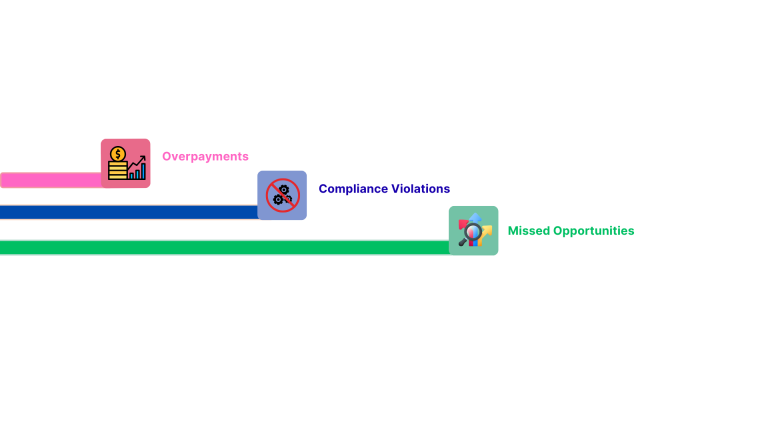
Complexity without visibility, growth without control, and cost without clarity
Here’s a look at the 3 biggest pressure points in Lease Administration and how top-performing companies are turning complexity into control.
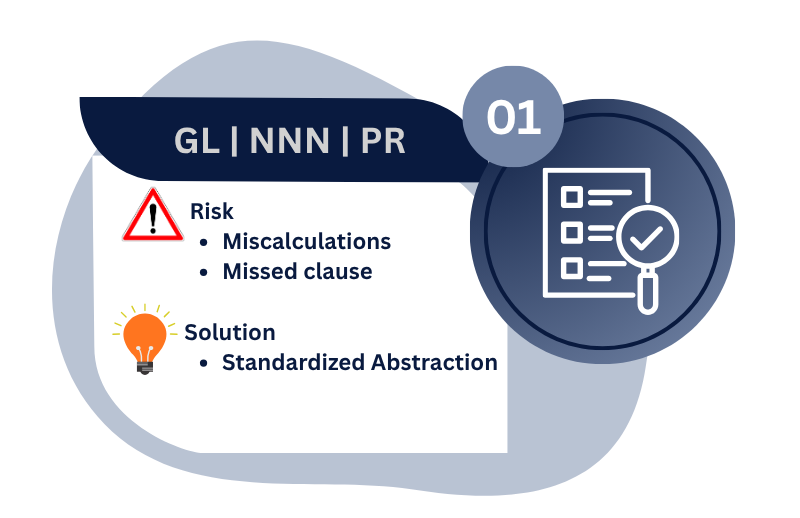
1. The "Alphabet Soup" of Lease Structures
Modern corporate portfolios are rarely uniform. A company’s headquarters might operate under a
- Traditional Gross Lease (GL)
- Distribution Center under a Triple-Net (NNN) Agreement
- Retail locations with Percentage Rent provisions tied to sales performance.
Hidden Cost of Variability
When every lease speaks a different financial language, consistent oversight becomes nearly impossible- NNN leases require meticulous tracking of variable Operating Expenses, Taxes and Insurance
- Percentage Rent clauses demand constant communication with sales teams
- Hybrid agreements blur the lines of responsibility
Risk: Without standardized abstraction
- Finance teams often misinterpret escalation clauses
- Miscalculate CAM Reconciliations
- Miss the nuances of co-tenancy clauses
2. Navigating the Regulatory Maze
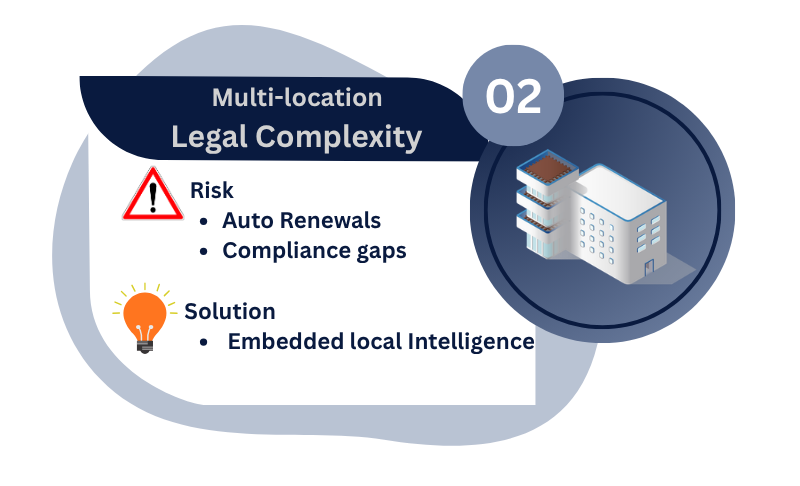
Expanding into new markets means subjecting your portfolio to a patchwork of local laws. What works in one state may be a suitable in another. Modern Lease Administration professionals must operate as quasi-legal experts, navigating compliance requirements that differ from one jurisdiction to another.
Lease amendment signed in a quarter may trigger new compliance obligations, shifting from gross to NNN, which imposes property tax reporting deadlines yet the teams responsible for those obligations are never notified. The greatest regulatory risks often arise not during lease negotiations, but during the transition from legal documentation to operational execution.
Compliance as a Moving Target
Jurisdictional variations extend far beyond just tax rates. They dictate everything from building safety certifications to the legal nuances of lease termination.
“Growth expands portfolios—but lease control preserves profitability”
Risk: Termination rights are a prime example. In some regions, a simple email notice submitted 60 days in advance is sufficient to vacate a space.
In others, failure to send a notarized letter via certified mail within a specific window results in an automatic, binding renewal. Missing these nuances can lock a company into unwanted space for years, costing millions in idle rent.
Solution:
- Embed local intelligence proactively
- Integrate regulatory management effectively
- Ensure timely reporting requirements
3. Breaking Down the Silos
Lease administration involves real estate, finance, legal, and operations, but siloed teams often create visibility and communication gaps across multi-location portfolios.
Communication Breakdown
Legal finalizes a lease amendment with revised rent terms, but the updated figures never reach the accounting team. Months pass before the error is caught, leaving the company chasing incorrect payments and reconciling mounting discrepancies.
Risk:
- Poor Internal coordination causes redundancy
- Misses renewal deadlines
- Leads to strategic misalignment
- Promotes reactive decision making
- Causes portfolio to run the organization
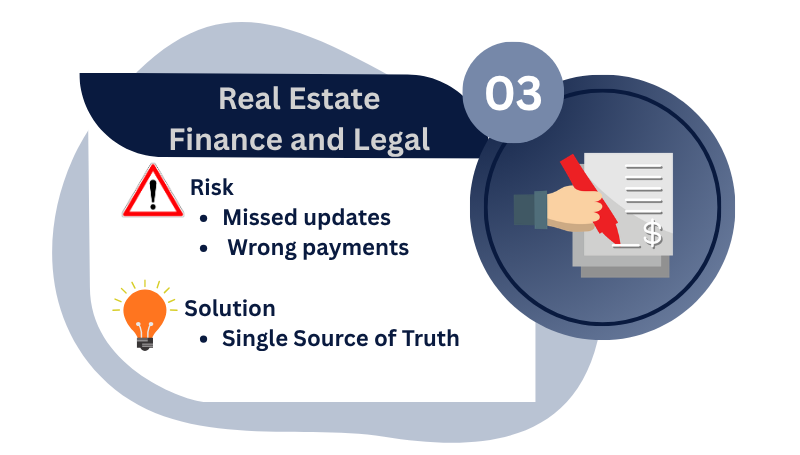
Solution:
By defining clear ownership of data and establishing structured workflows between departments, organizations can transform Lease Administration from a reactive task into a strategic business function. A dedicated lease team, supported by experienced Subject Matter Experts (SMEs) in Lease Abstraction and Administration, helps ensure data accuracy, operational efficiency, and better portfolio oversight.
The Path Forward
The complexities of managing a multi-location portfolio are substantial, yet they can be successfully navigated with the right combination of people, processes and technology. Companies that see lease administration as a strategic advantage rather than just paperwork are the ones that thrive. In uncertain market conditions, well-managed lease data enables faster decisions, reduced risk and a stronger competitive position. Hence, assigning this responsibility to a highly committed and knowledgeable team of experts is important.
Disclaimer:
The purpose of this blog is to provide a general overview of the key challenges and strategic considerations in Lease Administration for multi-location portfolios. The readers of this blog are advised to consider this as general information based on our research and understanding. Hence, this cannot be taken as either comprehensive or authentic guidance or advice.
